


Olin > Blog > Smart Home: what it is, how it works, and what you need to have an intelligent home
Smart Home: what it is, how it works, and what you need to have an intelligent home
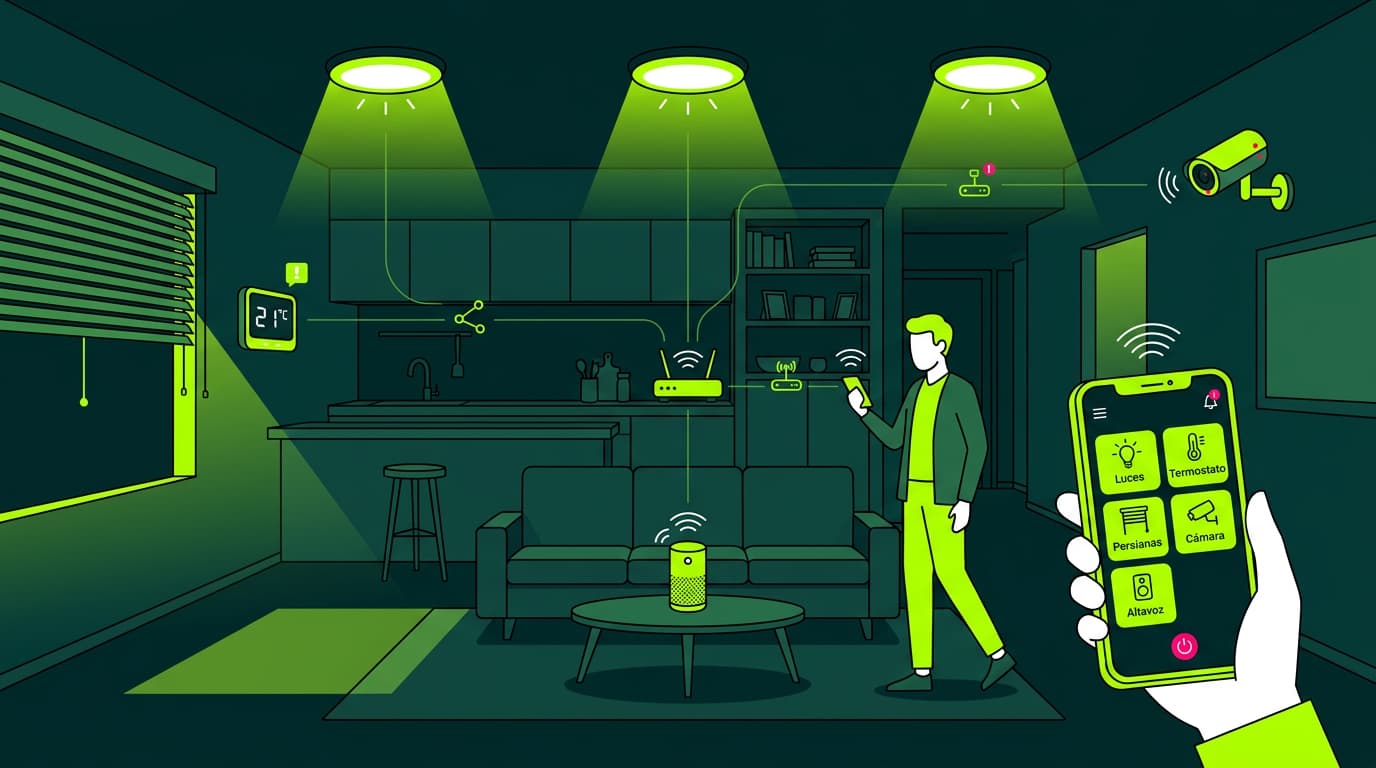
A smart home or intelligent home is one that is equipped with connections and devices that automate everyday tasks for its occupants.
Have you ever dreamed of a home that adapts to your needs almost by magic? Welcome to the fascinating world of smart homes. In this article, we take an in-depth look at what they are, how they work, and what you need to turn your home into a technological and efficient living space.
What is a Smart Home?
A smart home is a property equipped with internet-connected devices that automate and optimize everyday tasks, improving comfort, security, and energy efficiency for its occupants.
Imagine being able to control the lighting, temperature, security, and entertainment in your home with a single tap on your smartphone or using voice commands. That’s exactly what a smart home offers. These integrated systems use sensors, actuators, and Internet of Things (IoT) devices to create an interconnected ecosystem that responds to your preferences and habits.
Fiber-optic technology plays a key role in how smart homes operate, providing the speed and stability needed to manage multiple connected devices at the same time.
How does a Smart Home work?
A smart home works by creating an ecosystem in which technology operates in a coordinated way.
It all starts with smart devices—ranging from sensors and cameras to appliances and lighting systems—that are designed to connect to the internet and communicate with each other. To enable this communication, they rely on a network, usually Wi-Fi, although specific protocols such as Zigbee or Z-Wave are also used to ensure a stable and seamless connection throughout the home.
However, for these devices to work together rather than independently, they need a conductor: the central hub or control system. This device acts as the brain of the home, centralizing all information. The process is dynamic and continuous: sensors collect real-time data from the environment, such as temperature changes, light levels, or motion detection, and send this information to the control system.
Once the hub receives the data, it processes it and makes automatic decisions based on the preferences you’ve previously set. In milliseconds, it sends commands to the relevant devices to perform actions such as turning on the heating, lowering the blinds, or activating the alarm. This entire cycle happens almost instantly, creating a user experience where comfort and automation feel completely natural.
Advantages of smart homes
Smart homes offer many benefits that go far beyond simple convenience:
-
Energy efficiency: Intelligent systems can optimize energy use by turning off lights and devices when they’re not needed or adjusting climate control based on room occupancy. This is good for both the environment and your bills.
-
Greater security: Surveillance cameras, motion sensors, and smart locks add an extra layer of protection. You can monitor your home remotely and receive real-time alerts about suspicious activity.
-
Comfort and automation: Imagine your coffee machine starting to brew your favorite coffee when you wake up, or your blinds adjusting automatically based on natural light. The possibilities are endless.
-
Accessibility: For people with reduced mobility or disabilities, voice control and automation can make everyday life much easier.
-
Personalization: Smart systems learn from your habits and preferences, adapting more and more to your lifestyle.
-
Health monitoring: Some devices can track sleep patterns, indoor air quality, or even detect falls—especially useful for elderly people or those with health conditions.
Requirements for a home to become a Smart Home
To turn your home into a smart home, you’ll need to meet a few basic requirements:
1. Central control system
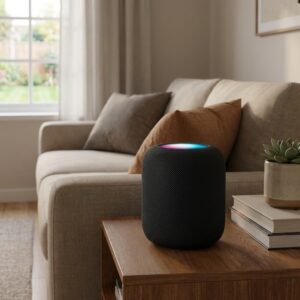
The hub or central controller is the heart of your smart home. It acts as the intermediary between you and all the smart devices in your house. Popular examples include:
-
Amazon Echo (Alexa)
-
Google Home
-
Apple HomePod
-
Samsung SmartThings Hub
Your choice will depend on the ecosystem you prefer and the devices you plan to integrate.
2. Internet connectivity
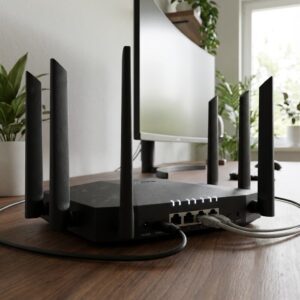
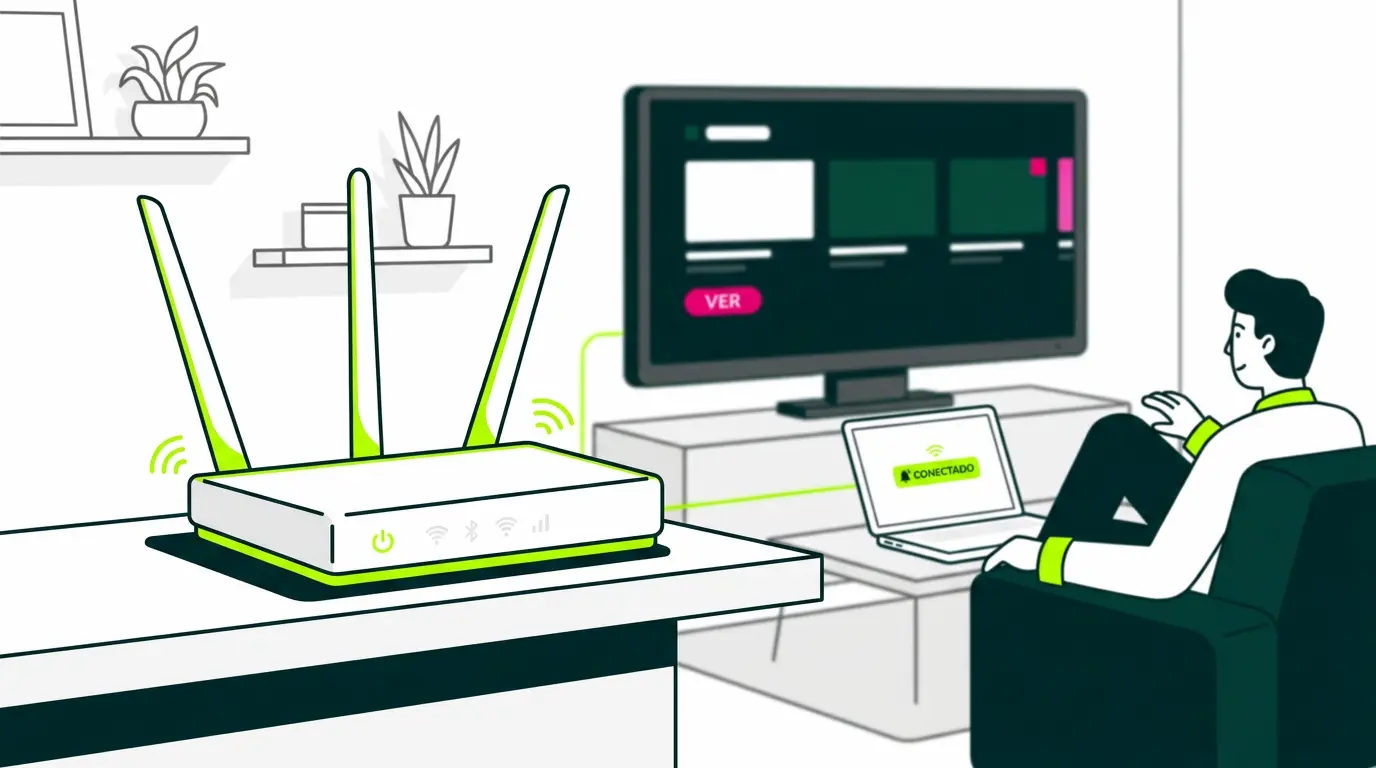
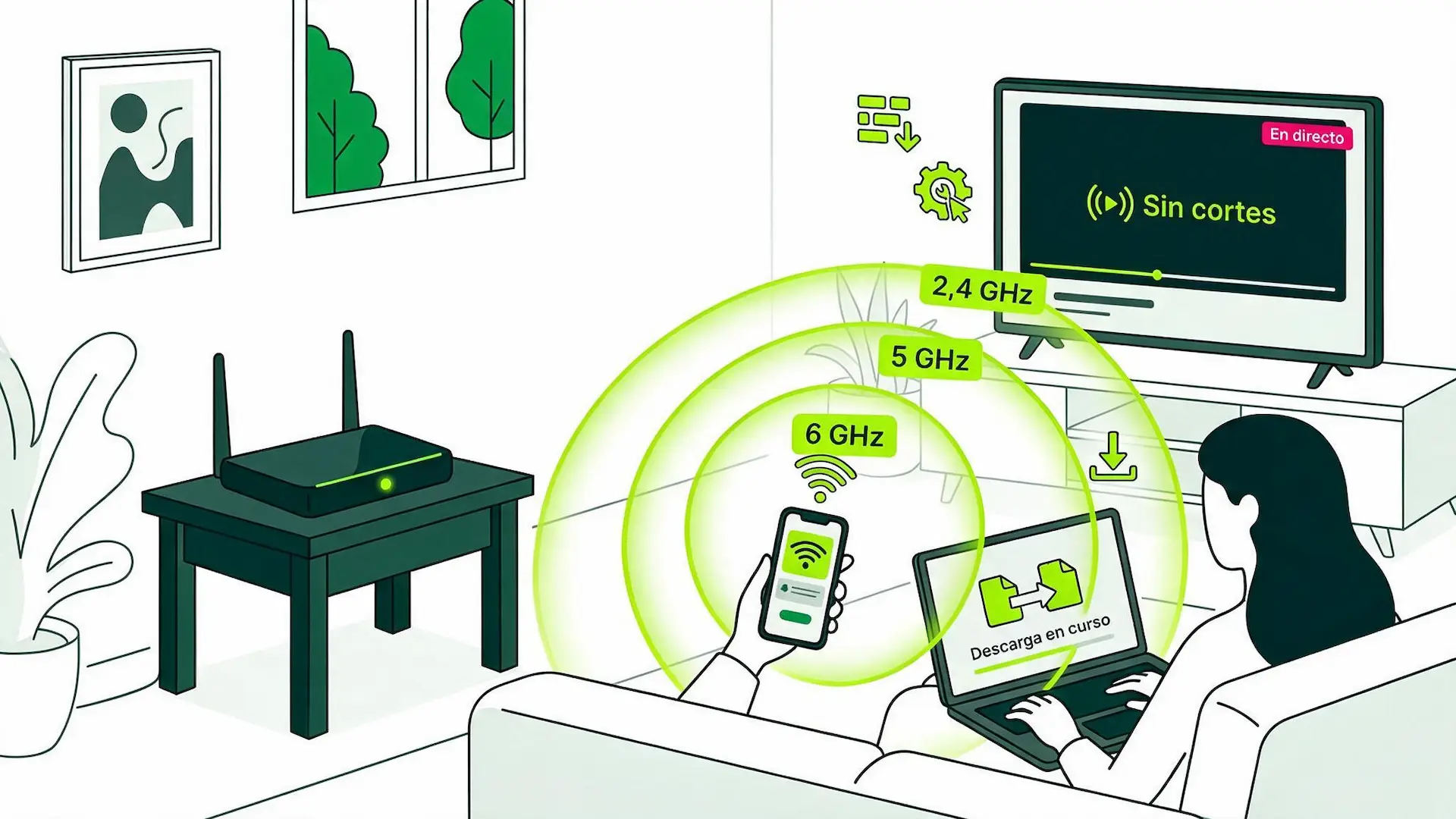
A fast and stable internet connection is essential for a smart home to work properly. Broadband connections are ideal thanks to their high speeds and low latency.
To ensure good coverage throughout the home, you may need:
-
A powerful router
-
Wi-Fi repeaters or a mesh system
-
Signal boosters or extenders
Keep in mind that Wi-Fi security is critical when you have many connected devices.
3. Smart devices
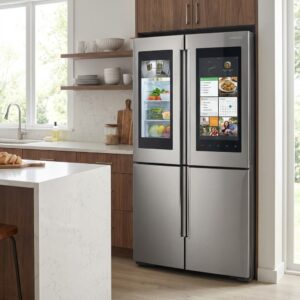
Some of the most common smart home devices include:
-
Smart thermostats: Learn your preferences and adjust the temperature automatically.
-
Smart lighting: Lets you control brightness and color and schedule lighting by time or activity.
-
Smart plugs: Turn any device into a “smart” one with remote control.
-
Security cameras: Provide real-time monitoring and cloud storage.
-
Smart locks: Allow remote access or biometric unlocking.
-
Smart speakers: Act as voice assistants and control centers.
-
Smart appliances: From fridges that create shopping lists to washing machines you can control from your phone.
4. Automation system
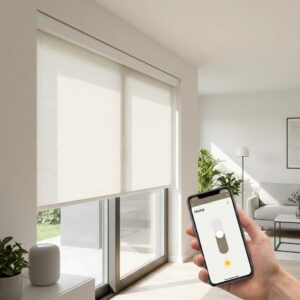
Automation is what truly makes a home “smart.” Useful examples include:
-
Lights turning on automatically when you enter a room.
-
Heating starting 30 minutes before you get home.
-
Blinds lowering at sunset.
-
The coffee machine starting when your morning alarm goes off.
To set up these automations, you’ll need an app or platform to create “rules” or “scenes.” Many central hubs include their own apps, but more advanced options like IFTTT (If This Then That) allow for more complex automations.
It’s worth noting that you don’t have to build a smart home all at once. You can start with a few devices and expand gradually as your needs and budget allow.
In conclusion, smart homes represent the future of housing, offering unprecedented levels of comfort, efficiency, and security. If you’re thinking about making the switch, the first step is ensuring you have a robust and reliable internet connection. Olin’s symmetrical broadband connection is the perfect foundation for a smart home, providing the speed and stability needed to manage multiple connected devices.
Remember: the journey toward a smart home is gradual and personal. Start with the basics and expand as you grow more comfortable with the technology. Welcome to the future of living.

Very Satisfied
The service is excellent, and we always pay the same amount. We’ve been customers for three years. The staff at the store are very professional and serve us in three different languages!