


Olin > Blog > What is streaming, how does it work, and what does it require?
What is streaming, how does it work, and what does it require?
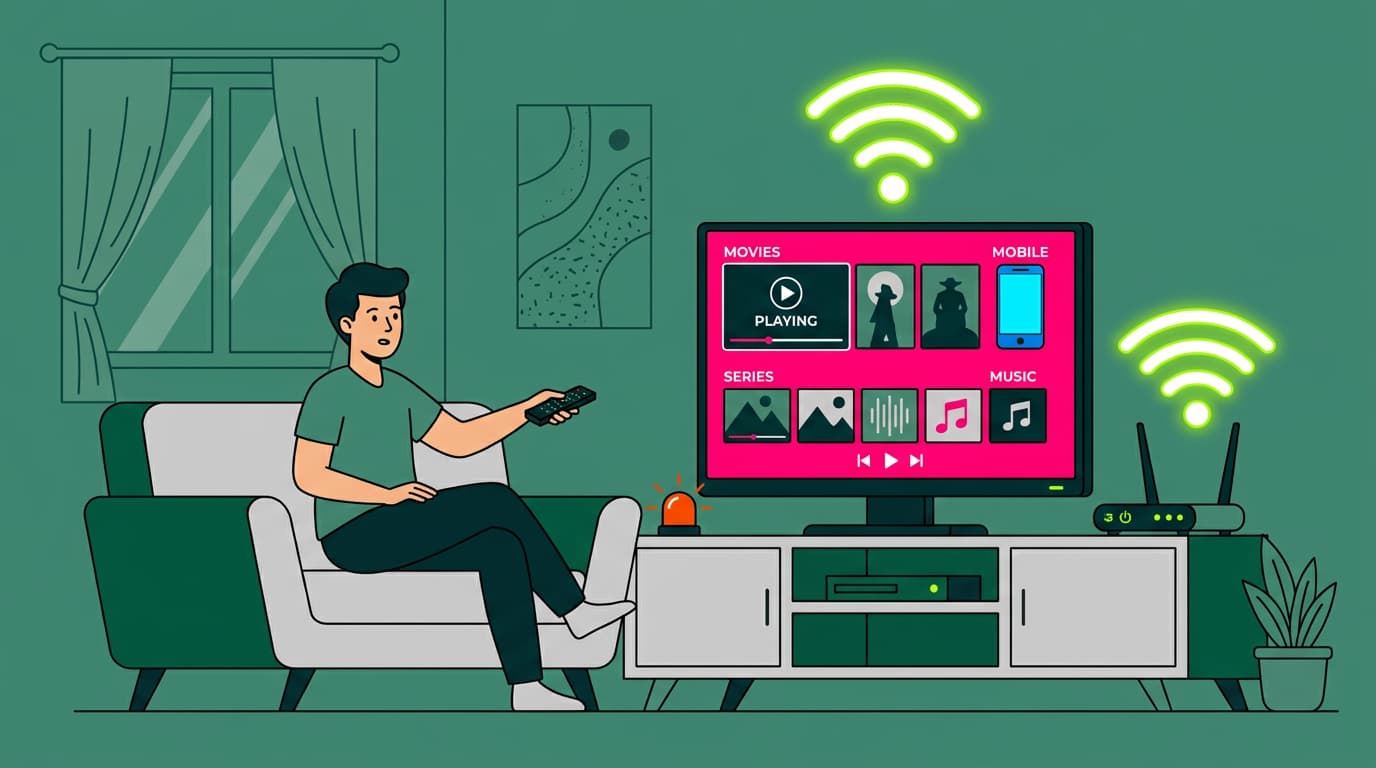
We understand “streaming” as any real-time playback of audio, video, and other multimedia content over the internet. Discover how it works.
Streaming has radically transformed the way we consume media. We no longer depend on traditional TV schedules, nor do we need to wait for a full file to download before enjoying it. We now have instant access to a world of entertainment and information.
Have you ever wondered what streaming is and how this technology—so central to modern media consumption—actually works? In this article, we explain everything you need to know: its definition, types of content, technical requirements, and its promising future.
What is streaming?
Streaming is the transmission of audiovisual content over the internet without the need to download it beforehand to the user’s device. This technology allows immediate access to content, which loads in small chunks as it’s watched or listened to.
There are two main types of streaming:
-
Live streaming, such as sports broadcasts, concerts, or video calls, where content is delivered in real time.
-
On-demand streaming, such as movies, series, or music that users can play at any time on platforms like Netflix, Spotify, or YouTube.
Streaming has changed how we consume content by removing the need for local storage, reducing waiting times, and enabling access from multiple internet-connected devices such as smartphones, tablets, computers, or Smart TVs.
Streaming supports a wide range of content types:
-
Video: Movies, series, documentaries, live events
-
Audio: Music, podcasts, online radio
-
Video games: Cloud gaming, gameplay broadcasts
-
Live events: Concerts, conferences, sports
How does streaming work?
The streaming process starts with encoding the original content. Whether it’s a live video, a movie, or a song, it must first be compressed and converted into a digital format suitable for internet transmission. This reduces file size so it can be sent efficiently without significantly compromising quality.
Next comes segmentation. The encoded content is split into small fragments lasting just a few seconds each. This allows data to be sent progressively and continuously, enabling smoother playback that adapts to different connection speeds.
Once the fragments are ready, transmission begins. The server hosting the content sends these fragments one after another to the user’s device over the internet. This delivery can use different protocols, such as HTTP or RTP, depending on the platform and content type.
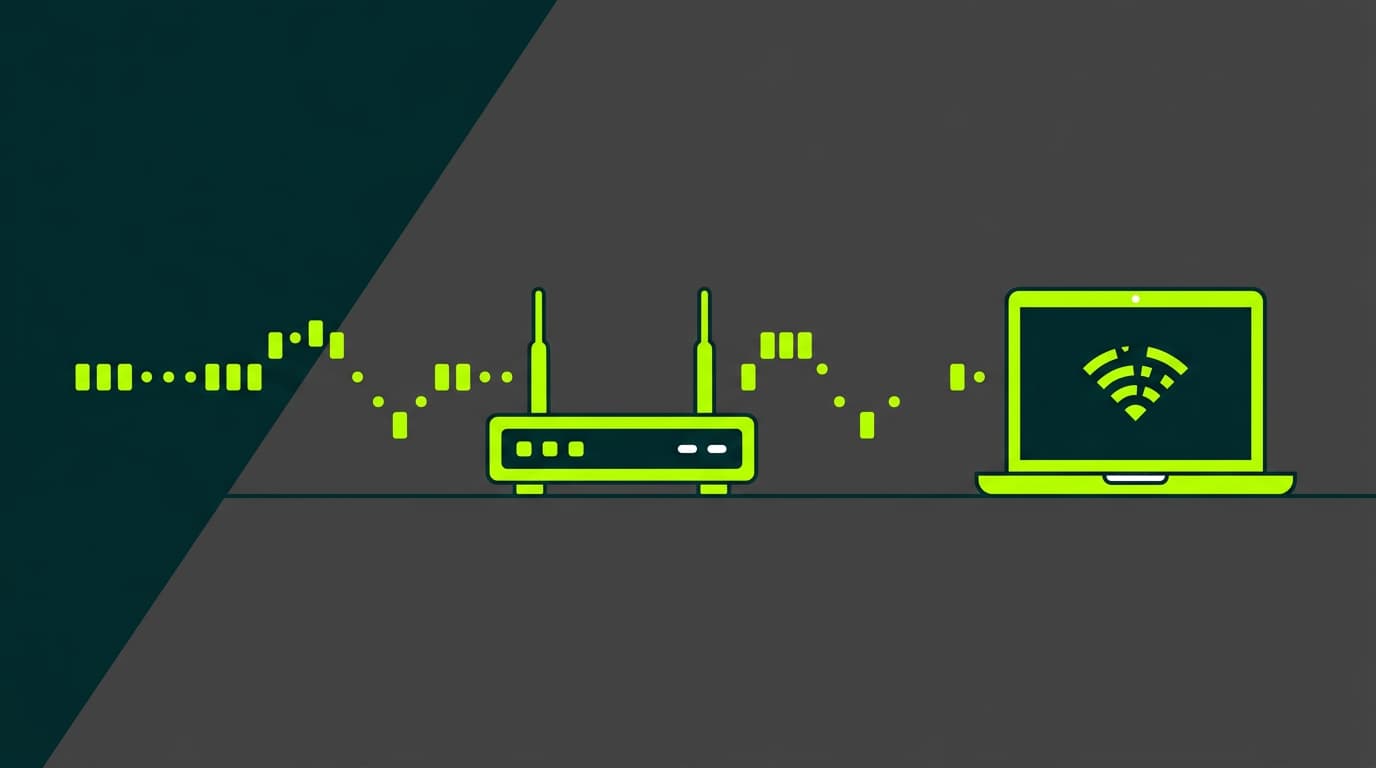
At the same time, the receiving device performs buffering, temporarily storing a small amount of data before playback starts. This buffer helps prevent interruptions if the connection speed fluctuates, ensuring a more stable experience.
Then comes decoding. The device interprets the compressed data it has received and converts it back into audio, images, or video ready for consumption.
Finally, playback occurs. The user watches or listens to the content almost in real time, without having fully downloaded it, while new data continues to arrive from the server.
All of this happens in seconds, creating the illusion of instant, continuous playback. The key factor here is your internet speed: the faster and more stable it is, the better the experience. A high-quality broadband connection is essential to ensure smooth, uninterrupted streaming.
Advantages of streaming
Streaming offers many benefits that explain its growing popularity:
-
Immediate access: No need to wait for a full download to start watching or listening
-
Space saving: Content isn’t stored locally on your device
-
Huge variety: Access to an almost unlimited content library
-
Flexibility: Pause, rewind, or fast-forward whenever you like
-
Multi-platform: Watch on smartphones, tablets, smart TVs, or computers
-
Constant updates: Platforms regularly refresh their catalogues
-
Personalisation: Recommendations based on your tastes and habits
-
Adaptive quality: Playback quality adjusts automatically to your connection speed
Requirements for streaming
To enjoy an optimal streaming experience, you need to meet certain technical requirements:
-
A fast, stable internet connection. Recommended speeds vary depending on content and quality:
-
Music: 1–2 Mbps
-
SD video: 3–4 Mbps
-
HD video: 5–8 Mbps
-
4K video: 25 Mbps or more
Find out the internet speed you need for streaming based on your specific needs.
-
-
A compatible device: Smartphone, tablet, smart TV, or computer that supports the streaming service
-
Up-to-date app or browser: Use the latest version for best performance
-
Sufficient bandwidth: Especially important if multiple users or devices share the same connection
-
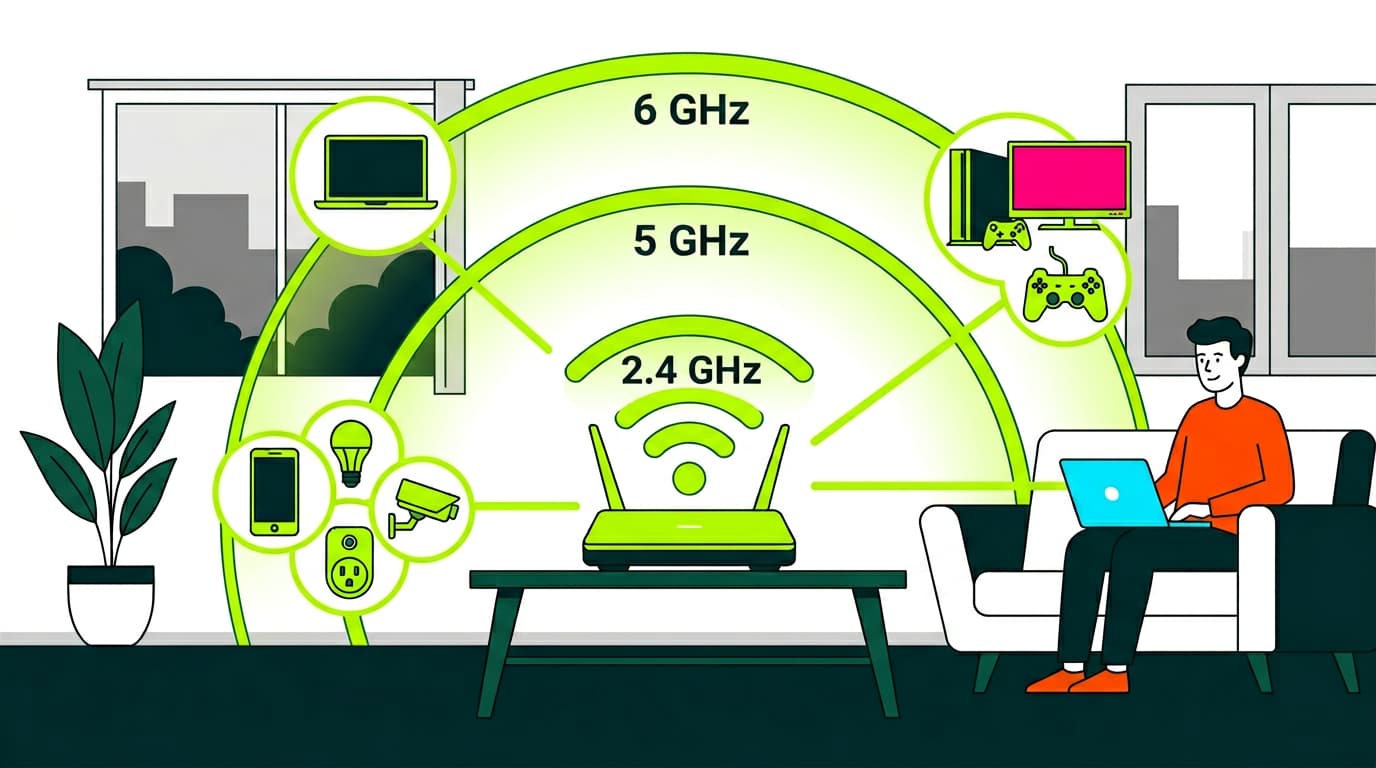
Good Wi-Fi coverage: A strong signal is essential; consider improving Wi-Fi reach if needed
-
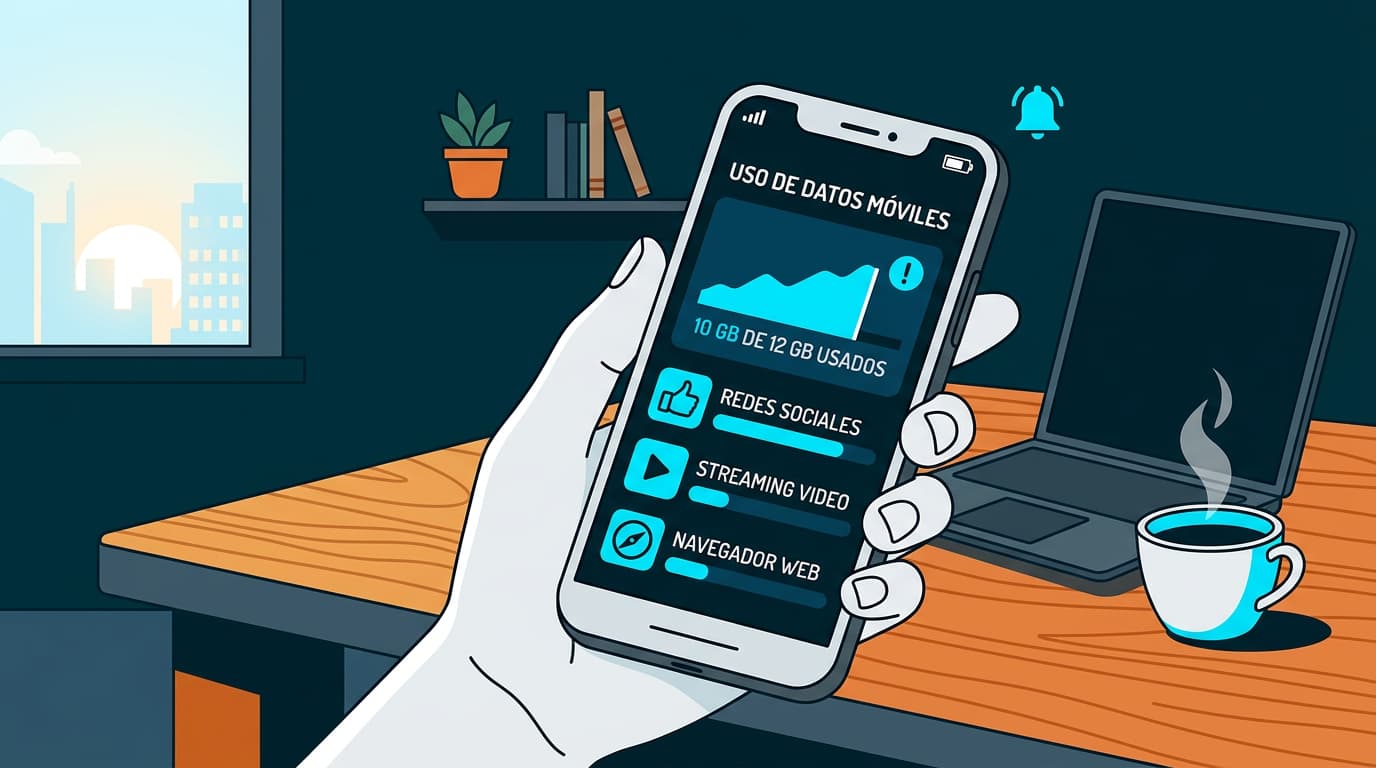
An adequate mobile data plan: If streaming on mobile data, make sure you have enough gigabytes
Types of streaming content
Streaming covers a wide range of content:
-
Video on demand (VOD): Platforms like Netflix, Amazon Prime Video, or HBO Max
-
Live content: Sports, concerts, news, or live gameplay
-
Music: Services such as Spotify, Apple Music, or Tidal
-
Podcasts: Audio programmes available via dedicated platforms or music apps
-
Online courses: Educational platforms offering classes and tutorials
-
Cloud gaming: Play video games without downloads or high-end hardware
Most consumed streaming content
Streaming consumption in Spain grew significantly throughout 2024. According to CNMC data, six out of ten households with internet access used paid platforms to watch audiovisual content.
The most consumed streaming content in 2024 included:
-
Series: Titles like House of the Dragon (Max), The Bear (Disney+), Fallout (Prime Video), and 3 Body Problem (Netflix)
-
Movies: Films such as Emilia Pérez, starring Karla Sofía Gascón, generated strong interest after their release on platforms like Movistar Plus+ and Filmin
This growth reflects how viewers value flexibility and variety.
Leading platforms
Among the most widely used platforms:
-
Netflix: Around 9.5 million subscribers, the leading paid video streaming platform in Spain
-
Amazon Prime Video: A strong presence and a popular choice among users
-
YouTube: The most used OTT platform in Spain, with 29.4 million unique users in December 2024
The future of streaming
Streaming continues to evolve, and its future looks bright:
-
Higher quality: 8K video and high-fidelity audio as compression and internet speeds improve
-
Virtual and augmented reality: More immersive VR and AR experiences
-
Artificial intelligence: Even more accurate content recommendations
-
Interactivity: Content that lets viewers participate, as seen in interactive series
-
5G and beyond: Better quality and stability for mobile streaming
-
Extreme personalisation: Choosing camera angles in sports events or modifying content in real time
-
IoT integration: New ways to interact with content through connected home devices
Streaming has already transformed how we consume media—and it will keep evolving.
To get the most out of it, having a powerful broadband plan and access to content platforms like OlinTV is key. With our internet-based TV service, you can enjoy a wide range of channels and streaming content without interruptions or buffering. Plus, OlinTV lets you watch your favourite shows on any device, anytime. Ready to take your streaming experience to the next level?

Very Satisfied
The service is excellent, and we always pay the same amount. We’ve been customers for three years. The staff at the store are very professional and serve us in three different languages!