


Olin > Blog > Bandwidth: what it is, what it’s for, and how it’s measured
Bandwidth: what it is, what it’s for, and how it’s measured
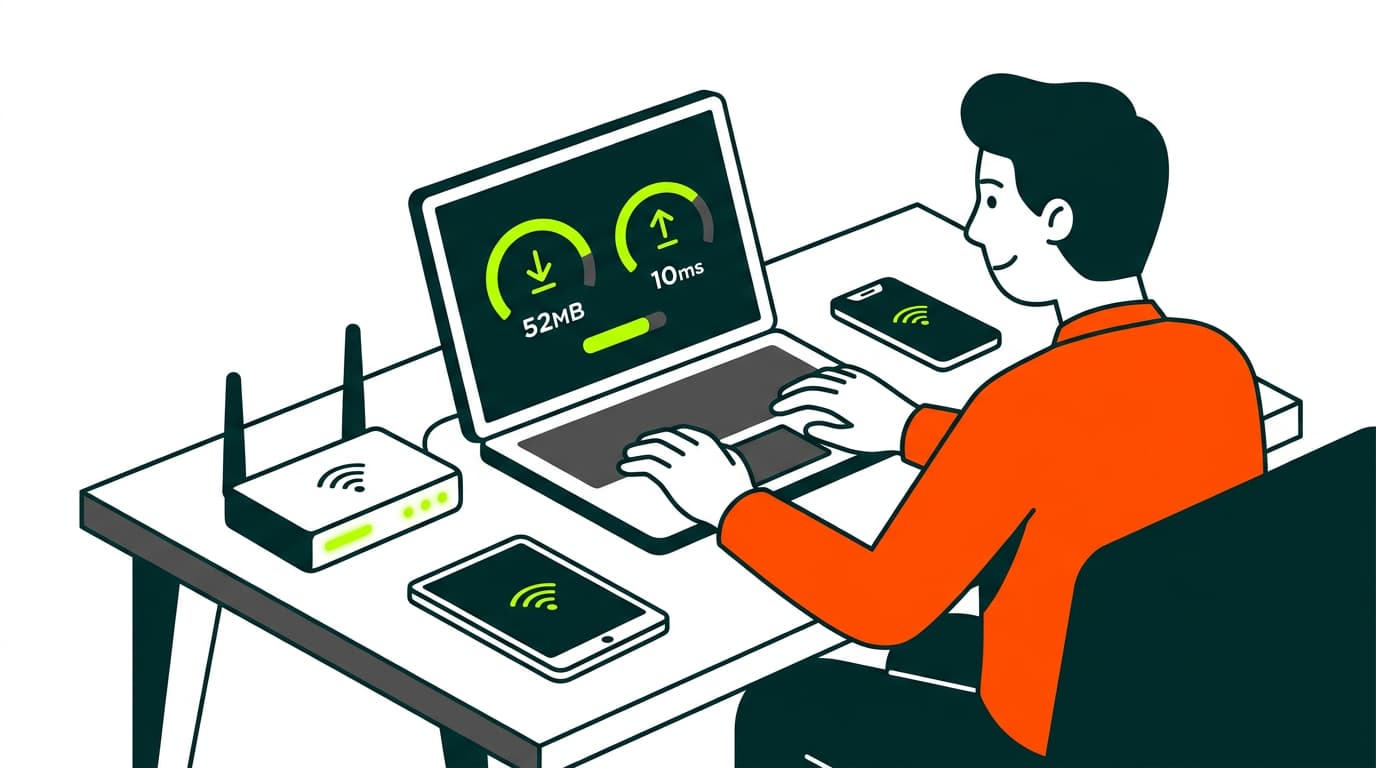
Bandwidth is the capacity of a network connection to transmit data over a given period of time. Learn more about this concept.
Bandwidth is the maximum amount of data that can be transmitted through an internet connection at a given moment. It’s a key factor in determining your network’s performance, although it’s often confused with speed. In this article, we explain exactly what bandwidth is, what it’s really used for, and how to measure it to make sure you’re getting the most out of your connection.
What is bandwidth?
Bandwidth is the maximum amount of data that can be transmitted through a connection over a specific period of time. It’s usually measured in bits per second (bps) or in multiples such as kilobits per second (Kbps), megabits per second (Mbps), or gigabits per second (Gbps).
Think of bandwidth as the width of a water pipe. The wider the pipe, the more water can flow through it at once. In the same way, the greater the bandwidth of your internet connection, the more data you can send or receive in a single second.
Bandwidth determines the capacity of your internet connection. It directly affects how fast you can download files, stream video, play online games, or make video calls. Higher bandwidth generally means a smoother, faster experience when using the internet.
Discover all our broadband offers
How to measure bandwidth
Measuring the bandwidth of your internet connection is essential to ensure you’re receiving the service you’re paying for. There are several ways to do this:
-
Online speed tests: Many websites offer free speed tests that give you a good estimate of your current bandwidth.
-
Desktop applications: Some apps run more detailed tests and allow you to monitor your connection over time.
-
Operating system tools: Both Windows and macOS include built-in tools that can help you measure bandwidth.
-
Your router: Many modern routers include features to monitor and measure bandwidth usage.
For accurate results, make sure no other devices or activities are consuming bandwidth on your network during the test. It’s also a good idea to run several tests at different times of day, as performance can vary.
You can find more information about how to measure your connection speed at this link.
How much bandwidth do I need?
The amount of bandwidth you need depends on several factors:
-
Number of users: The more people using the connection at the same time, the more bandwidth you’ll need.
-
Type of activities: Streaming video, online gaming, and video calls require more bandwidth than basic browsing or email.
-
Number of devices: Smart homes with many connected devices need more bandwidth.
-
Content quality: Streaming video in 4K requires more bandwidth than standard definition.
Here’s a rough guideline:
-
1–2 users, basic use: 20–50 Mbps
-
2–4 users, moderate use: 50–100 Mbps
-
4+ users, heavy use: 100–300 Mbps
-
Homes with many devices and very intensive use: 300+ Mbps
Keep in mind these are general estimates, and your actual needs may vary. You can find more guidance on choosing the right internet speed here.
¿Want to know more?
How to increase bandwidth
If you find that your current bandwidth isn’t enough, there are several ways to improve it:
-
Upgrade your internet plan: The most direct way to increase bandwidth is to contract a higher-capacity plan from your internet provider.
-
Upgrade your equipment: An old router can limit performance. Consider upgrading to a newer, more powerful model.
-
Use an Ethernet cable: Wired connections are usually faster and more stable than wireless ones.
-
Optimise your WiFi network: Place your router in a central location and avoid obstacles. Here are some tips to boost your WiFi signal.
-
Remove malware: Viruses and malware can consume bandwidth. Keep your system and antivirus software up to date.
-
Manage connected devices: Disconnect devices you’re not actively using.
-
Switch to modern broadband: If you’re still on an older connection, upgrading to modern broadband can significantly increase your available bandwidth.
Remember, bandwidth is only one of the factors that affect your online experience. Latency, signal quality, and other elements also play an important role.
Before going any further, it’s important to clarify some terms that are often confused or incorrectly used interchangeably.
Bandwidth vs. speed
Although they’re related, bandwidth and internet speed are not exactly the same. Bandwidth represents the maximum theoretical capacity of your connection, while speed is the actual rate at which data is transferred. Speed can vary depending on factors such as network congestion or distance from the server.
Discover all our broadband offers
Bandwidth vs. latency
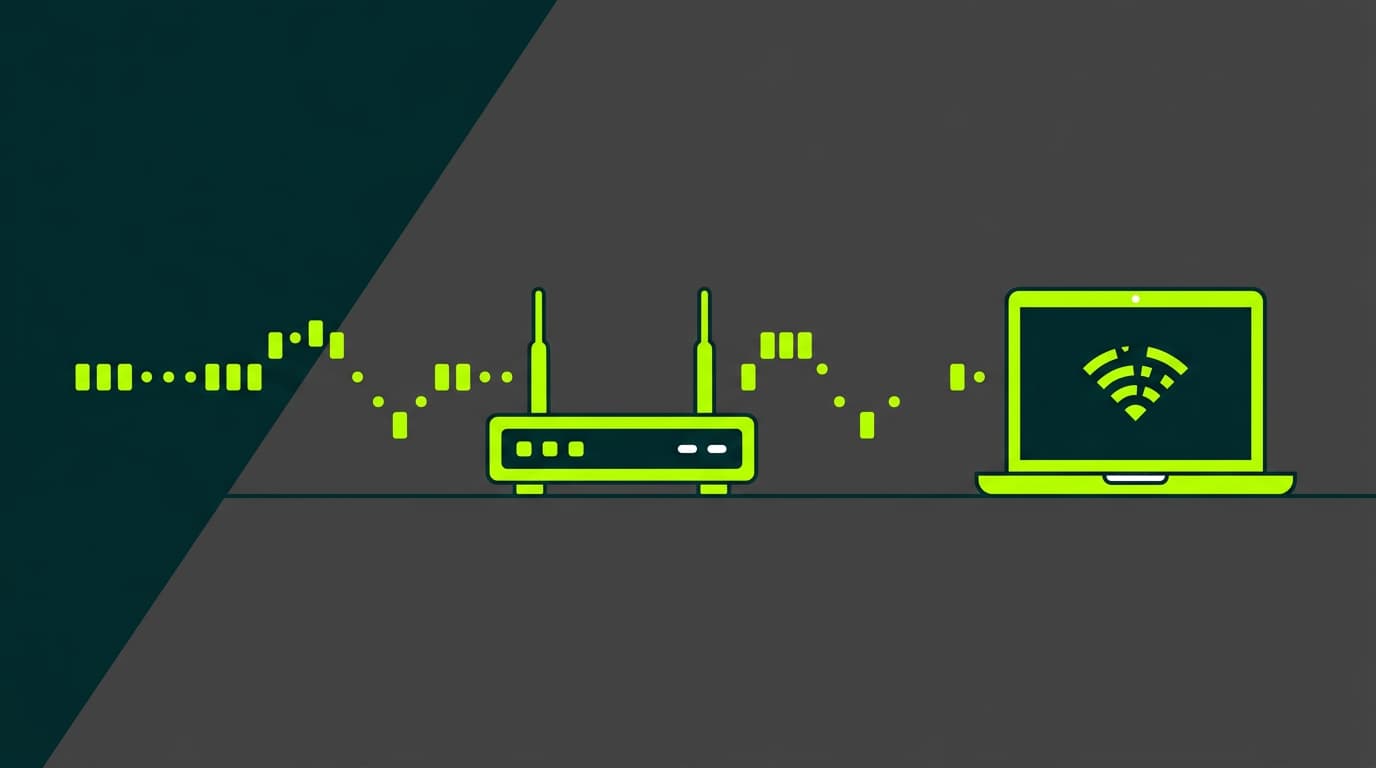
Latency is the time it takes for a data packet to travel from its source to its destination. High bandwidth doesn’t necessarily mean low latency. For example, you can have a connection with very high bandwidth but high latency, which can cause noticeable delays in real-time applications like online gaming or video calls.
Bandwidth vs. transmission
Transmission refers to the process of sending data from one point to another. Bandwidth affects how much data can be transmitted over a given period, but it doesn’t determine how that transmission occurs. Different types of broadband infrastructure can have different transmission characteristics, even if they offer the same bandwidth.
Understanding what bandwidth is and how it affects your internet connection is essential in today’s digital world. Whether you’re choosing a new internet plan, troubleshooting connection issues, or simply trying to optimise your online experience, knowing how bandwidth works is incredibly valuable.
If you’re looking to improve your internet connection, Olin offers broadband plans with different bandwidth options to suit your needs. Get in touch with us to learn more and find the plan that fits you best.

Very Satisfied
The service is excellent, and we always pay the same amount. We’ve been customers for three years. The staff at the store are very professional and serve us in three different languages!